
Using Kami for product creation opens up a world of possibilities where innovation meets technology. Imagine transforming ideas into tangible products with the help of artificial intelligence that can streamline every aspect of the development process. This approach not only enhances creativity but also ensures that the end products resonate well with market trends and consumer needs.
By integrating AI tools into brainstorming sessions, teams can generate a plethora of original ideas while analyzing data on market preferences and trends. This synergy between human ingenuity and AI capabilities can lead to the effective design and promotion of products that truly stand out in a crowded marketplace.
Utilizing AI in Product Creation
Artificial intelligence (AI) has emerged as a transformative force in the realm of product creation, streamlining processes and enhancing innovation. By automating routine tasks and providing data-driven insights, AI is enabling businesses to accelerate their product development cycles while fostering creativity and efficiency.One of the most significant advantages of integrating AI into product development is its ability to streamline various stages of the process.
From ideation to market launch, AI tools can facilitate quicker decision-making and reduce time-to-market. For instance, machine learning algorithms can analyze vast datasets to identify potential product ideas based on existing market gaps or consumer behavior patterns. By automating these analytical tasks, teams can focus on creative and strategic aspects, ultimately leading to a more agile development process.
Enhancing Brainstorming Sessions with AI Tools
Incorporating AI tools during brainstorming sessions can significantly enhance the quality and quantity of ideas generated. These tools can analyze historical data, consumer feedback, and current trends to inspire innovative product concepts. The use of AI in brainstorming sessions provides several key benefits:
- Data-Driven Suggestions: AI tools can suggest product ideas based on market analysis and existing trends, ensuring that the ideas generated are aligned with consumer interests.
- Diverse Perspectives: AI can aggregate insights from various sources, offering a broader view that can spark creativity among team members.
- Speeding Up the Process: With AI handling data analysis, teams can quickly move through ideation phases without getting bogged down by manual research.
Using AI tools can lead to a more productive brainstorming environment where creativity flourishes and practical ideas emerge.
Analyzing Market Trends and Consumer Preferences
AI plays a crucial role in understanding market dynamics and consumer preferences, which is essential for successful product design. By employing advanced analytics, businesses can uncover insights that inform product features, pricing strategies, and marketing approaches.The following aspects highlight the importance of AI in market analysis:
- Predictive Analytics: AI systems can forecast market trends by analyzing historical data, helping businesses anticipate consumer needs before they arise.
- Consumer Sentiment Analysis: AI can evaluate social media interactions and reviews to gauge public opinion about products, guiding teams in refining their designs.
- Competitor Analysis: Utilizing AI tools to monitor competitor activities provides insights into market positioning and potential product differentiation strategies.
By leveraging AI for market analysis, companies can better align their product offerings with consumer demands, ultimately leading to greater success in the marketplace.
Enhancing Online Presence through Digital Marketing
In today’s digital landscape, enhancing your online presence is essential for product visibility and sales growth. Digital marketing offers a variety of strategies that can significantly elevate your brand’s reach, making it essential to understand and implement effective techniques. This section explores crucial strategies such as link popularity, building a strong email list, and utilizing PPC advertising to optimize your product launches.
Link Popularity Strategies for Product Visibility
Link popularity is a vital factor in improving your product’s visibility on search engines. It refers to the number of incoming links to your website, which can significantly influence your search engine ranking. A higher ranking leads to increased organic traffic and potential sales. Below are effective strategies for enhancing link popularity:
- Create High-Quality Content: Crafting informative and engaging content encourages other websites to link back to yours. This can include blogs, infographics, and videos that provide value to your audience.
- Guest Blogging: Writing guest posts for reputable blogs in your industry can help you gain exposure and backlinks, boosting your site’s authority.
- Utilize Social Media: Sharing your content on social media platforms increases its reach and can lead to more backlinks as users share it with their networks.
- Engage in Online Communities: Participating in forums and discussion boards can provide opportunities to share your expertise and link back to your content when relevant.
Building a Strong Email List for Product Promotion
An email list is a powerful tool for promoting new products and nurturing customer relationships. A well-maintained list allows for direct communication with your audience, ensuring that your marketing messages reach interested individuals. Here’s how to effectively build your email list:
- Offer Incentives: Providing incentives such as discounts, free trials, or exclusive content can encourage users to sign up for your email list.
- Create Opt-In Forms: Strategically placing opt-in forms on your website and landing pages makes it easy for visitors to subscribe to your newsletters.
- Host Webinars: Organizing webinars on relevant topics can attract potential customers, allowing you to collect their email addresses during registration.
- Use Social Media Promotions: Promote your email list on social media channels to reach a wider audience and encourage sign-ups.
PPC Advertising Techniques for Product Launches
Pay-per-click (PPC) advertising is an effective way to attract immediate attention to your product launches. This method allows you to place ads on search engines and social media, only paying when someone clicks on your ad. Here are comprehensive PPC techniques suitable for product launches:
- Targeted Research: Identifying and using relevant s ensures that your ads reach the right audience, increasing the chances of conversions.
- Create Compelling Ad Copy: Crafting eye-catching and persuasive ad copy can significantly improve your click-through rates. Highlight the unique selling points of your product.
- Utilize Remarketing: Remarketing campaigns target users who have previously visited your site, reminding them of your products and encouraging them to return.
- Set a Realistic Budget: Establishing a budget that aligns with your marketing goals ensures that you can sustain your PPC campaigns without overspending.
“An effective digital marketing strategy is key to increasing product visibility and driving sales in today’s competitive online marketplace.”
Expanding Product Reach and Consumer Feedback
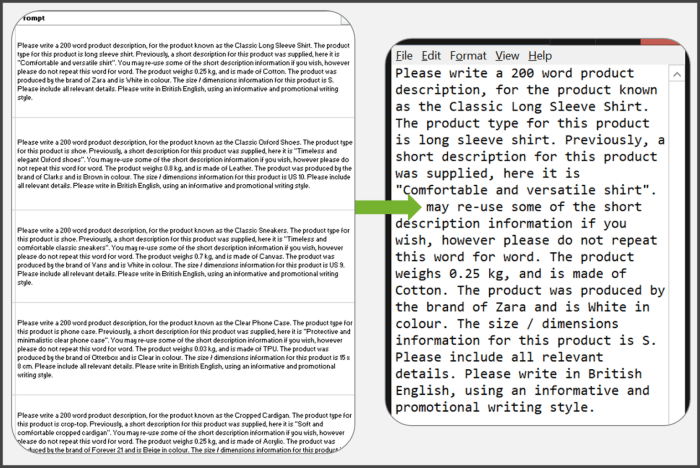
In today’s competitive landscape, expanding product reach while gathering meaningful consumer feedback is essential for long-term success. Understanding how customers perceive your product can significantly influence future iterations and marketing strategies. This segment dives into the importance of utilizing paid surveys, the best practices for podcasting as a promotional tool, and effective methods of leveraging PPC publishing to enhance product visibility.
Conducting Paid Surveys for Consumer Insights
Conducting paid surveys post-launch is a proactive approach to gather valuable consumer insights. These surveys allow businesses to verify assumptions about their product’s market fit and identify areas for improvement. The feedback collected can help shape product developments and marketing strategies.
- Targeted Audience: Ensure surveys reach your ideal customer demographic. This can be achieved through platforms like SurveyMonkey or Google Forms, where you can specify audience characteristics.
- Incentivized Participation: Offering incentives, such as discounts or entry into a prize draw, can increase response rates and encourage honest feedback.
- Clear and Concise Questions: Formulate questions that are straightforward and focused on specific aspects of the product to obtain actionable insights without overwhelming respondents.
- Analyze and Act: Compile and assess the data to identify trends and insights that can guide your next steps in product development or marketing campaigns.
“Consumer feedback is like a compass; it guides you toward the right direction in product improvement.”
Best Practices for Podcasting as a Promotional Tool
Podcasting has emerged as an effective medium for product promotion and audience engagement. It provides a unique opportunity to connect with potential customers in a more personal and relatable manner.
- Engaging Content: Focus on creating content that resonates with your target audience. Share stories, interviews, or tips related to your product and industry to keep listeners engaged.
- Regular Schedule: Consistency is key. Release episodes on a regular schedule to build anticipation and retain listener interest over time.
- Cross-Promotion: Promote your podcast on social media and other channels. Collaborating with other podcasters can expose your product to new audiences.
- Call to Action: Encourage listeners to visit your product landing page or participate in surveys at the end of each episode to drive engagement.
“Podcasts create a dialogue with consumers, fostering a community around your brand.”
Leveraging PPC Publishing to Drive Traffic
Paid search advertising, or PPC (Pay-Per-Click) publishing, is a powerful method to drive targeted traffic to your product landing pages. By strategically selecting s and optimizing ad placements, businesses can enhance their visibility on search engines.
- Research: Use tools like Google Planner to identify high-traffic s relevant to your product. Focus on long-tail s that indicate purchase intent for better conversion rates.
- Ad Copy Optimization: Craft compelling ad copy that clearly communicates your product’s value proposition and encourages clicks. Highlight unique selling points and include a call to action.
- Landing Page Alignment: Ensure your ad leads to a landing page that matches the ad’s promise. A seamless experience increases the likelihood of conversion.
- Monitor and Adjust: Regularly track your PPC campaign performance metrics. Adjust bid strategies and ad copy based on what resonates most with your audience.
“PPC advertising can bridge the gap between consumer curiosity and product discovery.”
Wrap-Up
In conclusion, leveraging AI in product creation is not just a trend but a transformative approach that can elevate any business. By incorporating artificial intelligence in various stages of product development and marketing, companies can enhance their reach, gain valuable consumer insights, and ultimately create products that meet the demands of the modern consumer.
Essential Questionnaire
How can AI improve product brainstorming sessions?
AI can generate diverse ideas quickly, analyze existing products, and suggest enhancements based on consumer data.
What role does AI play in market trend analysis?
AI tools can process large datasets to identify emerging trends and consumer preferences, allowing for informed product design decisions.
How can businesses measure the success of their AI-driven products?
Success can be measured through metrics such as sales figures, customer feedback, and engagement rates across marketing channels.
Are there specific tools recommended for using AI in product creation?
Yes, tools like predictive analytics software, AI-driven market research platforms, and design assistance software are great options.
Can small businesses benefit from AI in product creation?
Absolutely! Small businesses can leverage AI to optimize resources, enhance product quality, and compete effectively in their markets.


