
High CPC s for publishers are essential tools in maximizing advertising revenue. By understanding which s yield the highest cost-per-click, publishers can refine their content strategies to attract lucrative traffic that converts. This compelling topic offers insights into selecting niches, improving link popularity, and leveraging seasonal trends to boost CPC opportunities.
In the competitive world of online publishing, identifying high CPC s can be a game-changer. From optimizing PPC campaigns to creating engaging content, each aspect plays a crucial role in enhancing visibility and profitability. Let’s dive into the strategies that can help you elevate your publishing game.
High CPC s for Publishers
The world of online publishing often revolves around monetization strategies, and one of the most crucial aspects is leveraging high CPC (Cost Per Click) s. These s not only drive traffic but can significantly enhance revenue for publishers. Understanding the types of content that attract high CPC rates is essential for optimizing earnings and ensuring a successful publishing strategy.Certain content types inherently attract higher CPC rates due to their value in the eyes of advertisers.
This value is often linked to the purchasing intent of the audience and the competition within specific niches. Here are some categories that typically yield higher CPC:
- Financial Services: Topics related to loans, investments, and insurance often have high CPC due to the lucrative nature of these services.
- Legal Services: s linked to personal injury, criminal defense, and other legal matters tend to have significant CPC rates.
- Health and Wellness: Particularly in areas like medical treatments, weight loss, and fitness, CPC can be higher due to the competitive market.
- Technology and Software: s around software as a service (SaaS), cybersecurity, and emerging technologies often attract higher bids from advertisers.
The relationship between niche selection and CPC values is quite significant. Selecting a niche with high advertiser competition often correlates with higher CPC values. When publishers align their content with high-value niches, they enhance their potential for greater earnings. For instance, a publisher focusing on personal finance topics can tap into a vast pool of advertisers willing to pay more for direct consumer engagement.
Leveraging Seasonal Trends for Higher CPC Opportunities
Understanding and leveraging seasonal trends can provide publishers with unique opportunities for maximizing CPC. Seasonal events and holidays often lead to increased consumer spending, thereby heightening competition among advertisers for relevant s. Capitalizing on these trends can dramatically elevate CPC rates.To effectively leverage seasonal trends, consider the following strategies:
- Content Planning: Generate content around seasonal events well in advance. For example, creating finance-related content in December about budgeting for the new year can attract high CPC rates.
- Research: Utilize tools to identify trending s tied to seasons, ensuring to target those that have seen increased bidding activity.
- Promotional Campaigns: Collaborate with brands during peak seasons for targeted promotions, aligning your content with their marketing efforts to improve ad revenue.
- Timely Updates: Refresh existing content with updated seasonal information to keep it relevant and appealing to advertisers.
By staying ahead of seasonal trends, publishers can maximize their earning potential through strategic content creation and timely targeting.
Link Popularity
Link popularity is a crucial factor in driving high CPC traffic, as it directly impacts how search engines rank your content. Essentially, the more reputable websites link back to your content, the more authority your site gains in the eyes of search engines. This heightened visibility is key for attracting higher-paying advertisers, which can significantly increase your CPC revenue. A strong link profile not only helps in ranking better in search results but also attracts more organic traffic that can lead to monetization opportunities.To improve link popularity for valuable content, it’s essential to focus on creating high-quality, informative, and engaging content that naturally attracts links.
Building relationships with other content creators in your niche can also facilitate link exchanges and collaborations. Effective methods to enhance link popularity include:
Strategies for Acquiring High-Quality Backlinks
Acquiring high-quality backlinks is fundamental for boosting link popularity. The following strategies can be employed to gain valuable backlinks:
- Guest Blogging: Contributing articles to reputable blogs in your industry can provide exposure and earn you backlinks to your site. Always ensure the content is unique and adds value to the host blog’s audience.
- Resource Pages: Identifying resource pages in your niche and reaching out to the webmasters can lead to your content being featured as a valuable resource. Make sure your content is relevant and offers significant information or tools.
- Content Promotion on Social Media: Sharing your content across social media platforms can increase visibility and encourage others to link back to it. Engaging with your audience can amplify this effect.
- Creating Infographics: Infographics are highly shareable and can attract backlinks when shared on social media or other websites. Providing a source link in the infographic can direct traffic back to your site.
- Networking with Influencers: Building relationships with influencers in your industry can lead to mentions and backlinks. Consider reaching out for collaborations or seeking endorsements for your content.
“A strong and diverse backlink profile is essential for improving search engine ranking and driving higher CPC traffic.”
Implementing these strategies effectively can yield significant results in improving link popularity, ultimately enhancing your potential for high CPC traffic.
PPC Advertising
PPC (Pay-Per-Click) advertising is a powerful digital marketing strategy that allows publishers to drive targeted traffic to their websites through paid ads. By focusing on high CPC (Cost Per Click) s, publishers can maximize their advertising budgets and improve their return on investment. In this guide, we will explore the essential steps to set up effective PPC campaigns, analyze performance metrics, and optimize landing pages for conversion.
Setting Up Effective PPC Campaigns
Creating a successful PPC campaign requires careful planning and execution. Here’s a structured approach:
1. Research
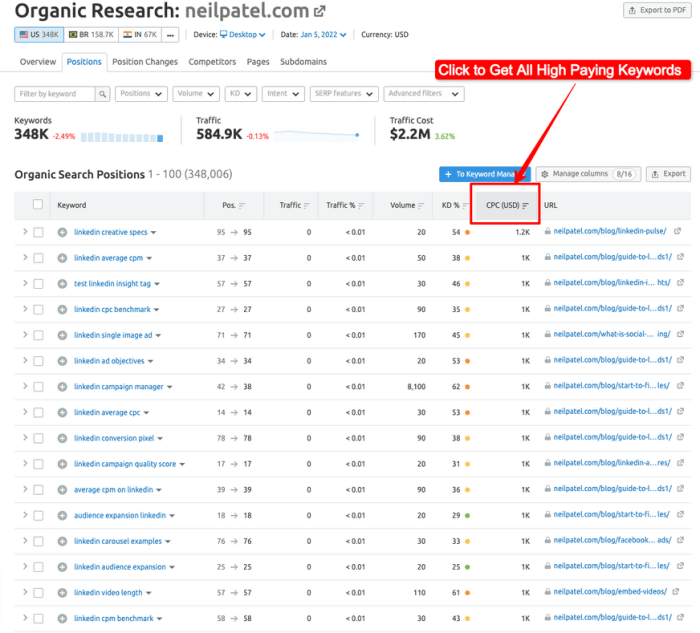
Start by identifying high CPC s relevant to your niche. Use tools like Google Ads Planner, SEMrush, or Ahrefs to find s that not only have high CPC but also significant search volume.
2. Ad Creation
Write compelling ad copy that highlights the unique selling points of your offer. Ensure your ad is relevant to the s you are targeting and includes a clear call-to-action (CTA).
3. Campaign Structure
Organize campaigns by themes or product categories. This helps in managing ads effectively and allows for better budget allocation.
4. Targeting Options
Utilize various targeting options available in PPC platforms. Geographical and demographic targeting can help you reach the right audience.
5. Budget Management
Set a daily budget that aligns with your marketing goals. Start with a small budget to test the waters, then scale based on performance.
Tools for Analyzing PPC Performance Metrics
Measuring the success of your PPC campaigns is crucial for continuous improvement. Here’s a list of tools that can help you analyze performance metrics effectively:
Google Analytics
Integrate this tool with your PPC campaigns to track user behavior and conversion rates.
Google Ads
Use the built-in reporting tools for insights on clicks, impressions, and CPC.
SEMrush
Offers comprehensive PPC analysis, including performance and ad copy effectiveness.
SpyFu
Allows you to see how your competitors are performing in PPC, providing insights into their s and ad strategies.
Optmyzr
A PPC management tool that provides optimization suggestions based on campaign performance data.These tools can help you make data-driven decisions to refine your campaigns.
Optimizing Landing Pages for Better PPC Conversion Rates
The landing page is often the first point of contact for potential customers, making its optimization critical for conversion success. Here are essential elements to focus on:
Relevance
Ensure the landing page content aligns with the ad copy and s used. This creates a seamless transition for users.
Design and User Experience
A clean, user-friendly design with easy navigation enhances user experience. Use whitespace effectively to avoid overwhelming visitors.
Speed
Optimize the loading speed of landing pages. A delay can lead to high bounce rates. Tools like Google PageSpeed Insights can help analyze speed performance.
Compelling CTAs
Use clear and actionable CTAs that guide users on what to do next. Phrases like “Get Started Now” or “Claim Your Discount” can increase engagement.
A/B Testing
Regularly test different versions of your landing pages to identify which elements drive higher conversions. This can include variations in headlines, images, and CTAs.By focusing on these aspects, you can significantly improve the effectiveness of your PPC campaigns and drive higher conversion rates.
List Building
Building an email list is a vital strategy for publishers aiming to leverage high CPC content. An effective email list not only facilitates direct engagement with your audience but also enhances the opportunity to monetize your content through advertising. Publishers focusing on high-value niches can significantly increase their revenue by employing targeted list-building techniques that attract high-quality subscribers.To effectively build an email list centered on high CPC content, it’s essential to implement strategies that resonate with your target audience.
One of the most effective ways to attract subscribers is through lead magnets—valuable resources offered in exchange for an email address. These could range from eBooks, exclusive webinars, checklists, to industry reports, tailored to address the specific interests and pain points of your audience.
Creating Lead Magnets
Lead magnets serve as incentives for potential subscribers, making it crucial to design them thoughtfully to ensure they resonate with your audience. The following strategies can help you create compelling lead magnets that attract high-value subscribers:
1. Identify Audience Needs
Conduct surveys or analyze feedback to understand what your audience finds valuable. This insight allows you to tailor your lead magnets effectively.
2. Offer Exclusive Content
Develop resources that provide exclusive insights or solutions that are not available through your regular content. This could include in-depth reports, proprietary research, or case studies that highlight successful strategies in your niche.
3. Utilize High-Quality Design
The presentation of your lead magnet matters. Invest in professional design to make your lead magnets visually appealing and easy to consume.
4. Create Urgency
Incorporate time-limited offers or bonuses to motivate potential subscribers to act quickly. Phrases like “Limited time offer” or “Exclusive access until [date]” can increase conversion rates.
5. Promote Across Channels
Use social media, blog posts, and paid ads to promote your lead magnets widely. The broader your reach, the more subscribers you can attract.
Segmenting Your List
List segmentation is a powerful method to enhance engagement and CPC. By categorizing your subscribers based on specific criteria, you can tailor your content and advertising strategies more effectively. Consider the following methods to segment your list:
Demographic Segmentation
Group subscribers based on age, gender, location, or job title. This allows you to customize your messaging and offers to resonate more closely with each group.
Behavioral Segmentation
Analyze subscriber behavior, such as which content they engage with most or how frequently they open emails. This data enables you to send personalized content that aligns with their interests.
Transactional Segmentation
Identify subscribers based on their purchasing behavior or interaction with past campaigns. This information can inform future promotional strategies and improve conversion rates.
Interest-Based Segmentation
Allow subscribers to select topics they are interested in at signup. This approach helps ensure that the emails they receive are relevant, increasing the likelihood of engagement.Implementing these segmentation strategies can lead to higher open rates and click-through rates, ultimately maximizing your CPC potential. By understanding your audience and delivering tailored content, you create a more engaged community that is willing to act on your offers.
Paid Surveys
Paid surveys present a unique opportunity for publishers to generate additional revenue while engaging their audience. By incorporating surveys into a monetization strategy, publishers can harness the power of audience insights and feedback, transforming user interactions into lucrative opportunities. Through careful selection and strategic implementation, paid surveys can significantly enrich a publisher’s income stream.
Incorporating Paid Surveys into Monetization Strategy
To effectively integrate paid surveys into a publishing strategy, it is essential to understand the target audience and their interests. This facilitates the selection of surveys that are relevant to them, ensuring higher response rates and engagement. Here are key methods to consider:
- Partner with High-Paying Survey Platforms: Select platforms known for their high compensation rates. Look for those that offer surveys related to your niche for better audience alignment.
- Embed Surveys within Content: Seamlessly integrate surveys into articles, videos, or newsletters. This can be done through pop-ups or links, encouraging natural interaction.
- Promote Surveys via Email Marketing: Use your email list to promote survey opportunities. Highlight the benefits and compensation to enhance participation rates.
- Leverage Social Media: Share surveys on your social media channels to reach a broader audience. Engaging posts can encourage followers to participate and take action.
- Offer Incentives: Provide additional rewards for participation, such as entry into contests or exclusive content. This can motivate users to take the time to fill out the surveys.
Selecting High-Paying Survey Platforms
The choice of survey platforms is crucial to maximizing revenue from paid surveys. Publishers should consider the following best practices when selecting platforms:
- Reputation and Trust: Research platforms that are well-regarded in the industry. Reading reviews and testimonials can provide insight into their reliability.
- Compensation Structure: Evaluate how much each platform pays per survey. Some offer higher compensation for longer or more complex surveys, while others may pay less but provide more frequent opportunities.
- Survey Availability: Choose platforms that frequently offer surveys in your niche. This ensures a steady stream of income and keeps your audience engaged.
- User Experience: Opt for platforms that provide a seamless, user-friendly experience. Complicated or lengthy surveys may deter participants.
- Payment Options: Ensure the platform offers flexible payment options that suit your needs, whether through cash, gift cards, or other incentives.
Impact of Surveys on Overall CPC Revenue
Incorporating paid surveys can have a significant positive impact on overall CPC revenue. By enhancing user engagement and providing additional content, surveys can lead to increased traffic and interactions with advertisements. This, in turn, can elevate CPC rates as advertisers value engaged audiences. Publishers can expect:
“Surveys can serve as a bridge between content and advertising, driving engagement that enhances overall profitability.”
The key to maximizing this impact lies in maintaining a balance—ensuring that survey invitations do not overwhelm or annoy users. By strategically placing surveys within relevant content and promoting them effectively, publishers can tap into this revenue stream while enhancing the user experience. This holistic approach can create a sustainable cycle of engagement and monetization, ultimately contributing to the growth of the overall CPC revenue.
Podcasting
Podcasting has surged as a popular medium for content consumption, making it an attractive avenue for publishers looking to engage with high CPC s. The right approach to podcast development can significantly elevate audience reach and engagement. Understanding the nuances of monetization is essential for leveraging high-value sponsorship opportunities, ultimately leading to substantial revenue generation and visibility.
Developing a Podcast that Attracts a High CPC Audience
Creating a podcast that resonates with a high CPC audience involves several key strategies. First, pinpointing specific niches with proven demand can help attract listeners who are also desirable to advertisers. Focus on topics that align with high-value s and address the interests of your targeted demographic. Consider the following points for effective podcast development:
- Research Your Niche: Identify gaps in existing content and focus on areas with high listener engagement.
- Quality Production: Invest in good audio equipment and editing software to ensure professional sound quality.
- Consistent Publishing Schedule: Regular episodes build listener loyalty and enhance audience retention.
- Engaging Content: Develop content that is informative, entertaining, and promotes audience interaction.
- Guest Appearances: Inviting experts or influencers can enhance credibility and reach new audiences.
Monetization Strategies for Podcasts with High-Value Sponsors
To monetize podcasts effectively, it is crucial to establish a strong listener base and produce high-quality content that attracts premium sponsors. Brands are willing to invest in podcasts that demonstrate a clear connection to their target audience. Effective monetization strategies include:
- Sponsorships and Advertisements: Partner with brands that align with your content and audience for sponsored segments.
- Premium Content: Offer exclusive content or ad-free episodes for subscribers willing to pay a monthly fee.
- Affiliate Marketing: Promote products or services and earn a commission for every sale made through your referral.
- Crowdfunding and Donations: Utilize platforms like Patreon to gain support directly from your audience.
- Live Events and Merchandise: Engage with listeners through live podcast recordings and offer branded merchandise to generate additional revenue.
Promoting Podcasts for Increased Visibility and CPC
Effective promotion is vital for increasing the visibility of your podcast, which directly impacts CPC opportunities. A strategic marketing approach can enhance listener acquisition and engagement.Key promotional tactics include:
- Leverage Social Media: Share podcast episodes, behind-the-scenes content, and listener testimonials on platforms like Instagram, Twitter, and Facebook.
- Cross-Promotion: Collaborate with other podcasters to reach their audiences through guest appearances or shoutouts.
- Optimization: Use relevant s in podcast titles, descriptions, and show notes to boost discoverability on platforms like Apple Podcasts and Google.
- Email Marketing: Build an email list to keep your audience informed about new episodes and special offers.
- Online Communities: Engage in discussions on forums and groups related to your niche to attract potential listeners.
Product Creation
Creating digital products that cater to high CPC markets involves a strategic approach that aligns with audience needs, market trends, and monetization potential. This process typically encompasses market research, product development, and effective marketing strategies to ensure visibility and profitability. By understanding what drives high CPC in specific niches, publishers can develop products that not only meet demand but also maximize their earning potential.The development of successful digital products begins with identifying a profitable niche and understanding audience preferences.
Market research tools, such as Google Trends and planners, can offer insights into high CPC s and the types of products that resonate with consumers. Once a viable product idea is established, it is crucial to focus on quality and value to justify premium pricing. The following sections delve into product ideas and pricing strategies that can enhance profitability in high CPC markets.
Product Ideas for High Profitability
When considering product creation for high CPC markets, a range of ideas can yield significant returns. The following list highlights some of the most promising digital products known for their profitability:
- E-books: Comprehensive guides or expert insights on trending topics often attract high prices.
- Online Courses: Educational content that teaches specific skills can demand substantial fees, especially in high-demand sectors like technology and finance.
- Membership Sites: Offering exclusive content or community access can generate recurring revenue.
- Software and Apps: Developing tools that solve specific problems can lead to significant sales, particularly in niches like productivity and finance.
- Templates and Printables: Ready-to-use templates for various purposes, including business and personal use, are always in demand.
- Digital Marketing Resources: Products such as tools, social media planners, and content calendars cater to businesses looking to enhance their online presence.
- Stock Photography and Videos: Providing high-quality visual assets can be highly lucrative for creative professionals.
Each of these product ideas can be tailored to fit specific high CPC niches, allowing publishers to cater their offerings to market demand while capitalizing on lucrative opportunities.
Pricing Strategies for Maximizing CPC Potential
Establishing effective pricing strategies is essential for maximizing the potential of high CPC products. Here are several frameworks that can be employed to ensure competitive yet profitable pricing:
- Value-Based Pricing: Set prices based on the perceived value of the product to the customer rather than solely on cost. This approach often allows for higher price points, especially for unique or high-quality offerings.
- Tiered Pricing: Offer multiple versions or packages of the product at different price points. This strategy can cater to a broader audience and encourage upselling.
- Psychological Pricing: Utilize pricing strategies that create a perceived bargain, such as pricing an item at $99 instead of $100, which can influence purchasing decisions.
- Bundle Pricing: Group related products together at a discounted rate to increase overall sales volume while providing value to customers.
- Periodic Discounts and Promotions: Implement time-limited offers to create urgency, encouraging immediate purchases that can boost sales during specific periods.
By employing these pricing strategies, publishers can maximize their earnings while appealing to a demographic that is willing to pay for high-quality digital products in high CPC markets.
Product Launching
Launching a product aimed at high CPC audiences requires a carefully planned approach to maximize interest and revenue potential. By understanding the nuances of your target market, you can create a launch strategy that not only captures attention but also converts that attention into sales.The process of launching a product involves several critical steps that ensure you’re positioned for success.
This includes everything from initial market research to post-launch evaluation. The following guide will break down each step, provide promotional tactics to generate buzz, and highlight the importance of pre-launch campaigns in driving CPC revenue.
Step-by-Step Guide for Launching Products
A structured approach to launching products is essential in capturing high CPC audiences effectively. Here’s a detailed breakdown of the key steps involved:
- Market Research: Begin by understanding your target audience’s needs, preferences, and pain points. Conduct surveys, focus groups, and competitor analysis to gather insights.
- Product Development: Based on your research, develop a product that addresses the identified needs. Ensure that it stands out in terms of features, quality, and pricing.
- Branding and Positioning: Create a strong brand identity and position your product clearly in the market. This includes your product name, logo, and unique selling proposition (USP).
- Pre-Launch Strategy: Build anticipation through teasers and sneak peeks. Use social media and email marketing to create buzz before the official launch.
- Launch Day Activities: Organize an event or a live stream to unveil your product. Consider offering exclusive deals or bonuses to early buyers to drive immediate sales.
- Post-Launch Evaluation: After the launch, gather data on sales performance and customer feedback. Analyze this information to refine future launches and marketing strategies.
Promotional Tactics to Generate Buzz
To create excitement around your product launch, employing the right promotional tactics is critical. These strategies not only attract attention but also facilitate engagement and conversions.Utilize a multi-channel promotional approach. Here are several effective tactics:
- Influencer Collaborations: Partner with influencers in your niche to reach a wider audience. Their endorsements can significantly boost credibility and interest.
- Social Media Campaigns: Leverage platforms like Instagram, Twitter, and Facebook to share countdowns, behind-the-scenes content, and engaging posts that highlight your product’s benefits.
- Email Marketing: Create a targeted email campaign that informs your subscribers about the launch, exclusive offers, and valuable content related to the product.
- Content Marketing: Write blog posts, articles, or videos that discuss the problems your product solves, incorporating best practices to attract organic traffic.
- Webinars or Live Demos: Host webinars to provide potential customers with an in-depth look at your product, addressing any questions and building trust.
The Role of Pre-Launch Campaigns in Increasing CPC Revenue
Pre-launch campaigns are vital for establishing momentum and increasing CPC revenue. These campaigns not only generate interest but also build an email list of potential customers who are likely to convert.
“An effective pre-launch campaign can increase conversion rates significantly, with some brands reporting up to 30% more sales during the launch period.”
Key components of pre-launch campaigns include:
- Landing Pages: Create dedicated landing pages to capture email sign-ups for exclusive offers and updates about your product.
- Engagement Strategies: Use polls, quizzes, and interactive content to engage your audience and gather insights on what they expect from your product.
- Early Access Offers: Provide early access to loyal customers or subscribers, creating a sense of exclusivity and urgency.
- Referral Programs: Encourage sharing by offering incentives for those who refer others to sign up for your email list or follow your social media channels.
With a comprehensive approach to product launching that encompasses thorough research, effective promotion, and strategic pre-launch campaigns, you can maximize your chances of success and boost CPC revenue effectively.
End of Discussion
In conclusion, mastering high CPC s for publishers is more than just a strategy—it’s a pathway to sustainable growth and enhanced revenue. By focusing on valuable content, optimizing campaigns, and leveraging tools effectively, publishers can unlock significant earning potential. Embrace these insights, and watch your publishing venture thrive.
Detailed FAQs
What are high CPC s?
High CPC s are terms that advertisers are willing to pay a premium for due to their potential to generate significant traffic and conversions.
How do I find high CPC s?
Utilize research tools like Google Ads Planner or SEMrush to identify s with high cost-per-click values.
Can high CPC s be seasonal?
Yes, certain s may see fluctuations in CPC values based on seasonal trends or events, making timing crucial for maximizing revenue.
How important is link popularity for high CPC?
Link popularity is vital as it enhances visibility and authority, which can lead to higher CPC rates and better overall traffic.
What role does content play in attracting high CPC s?
Quality content that is relevant and engaging can attract higher CPC s by drawing in more targeted traffic and retaining audience interest.


